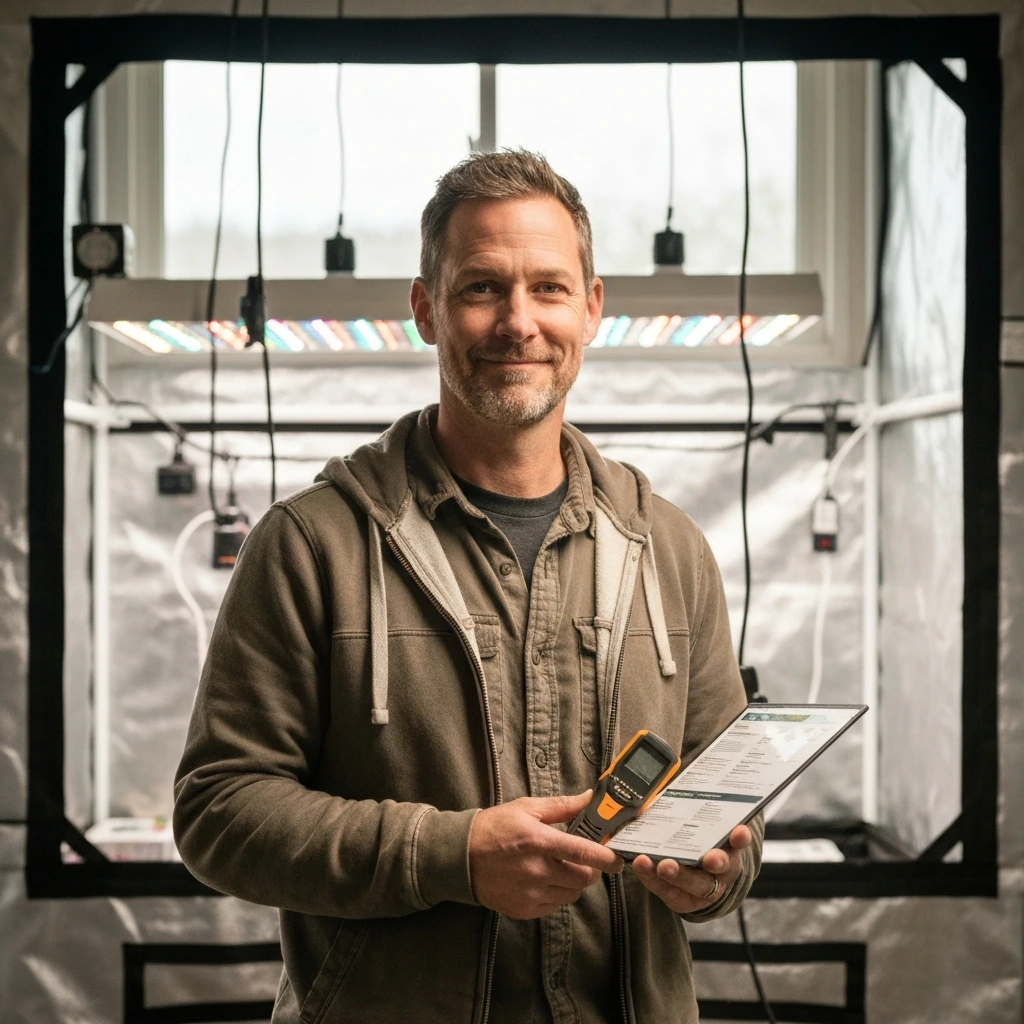
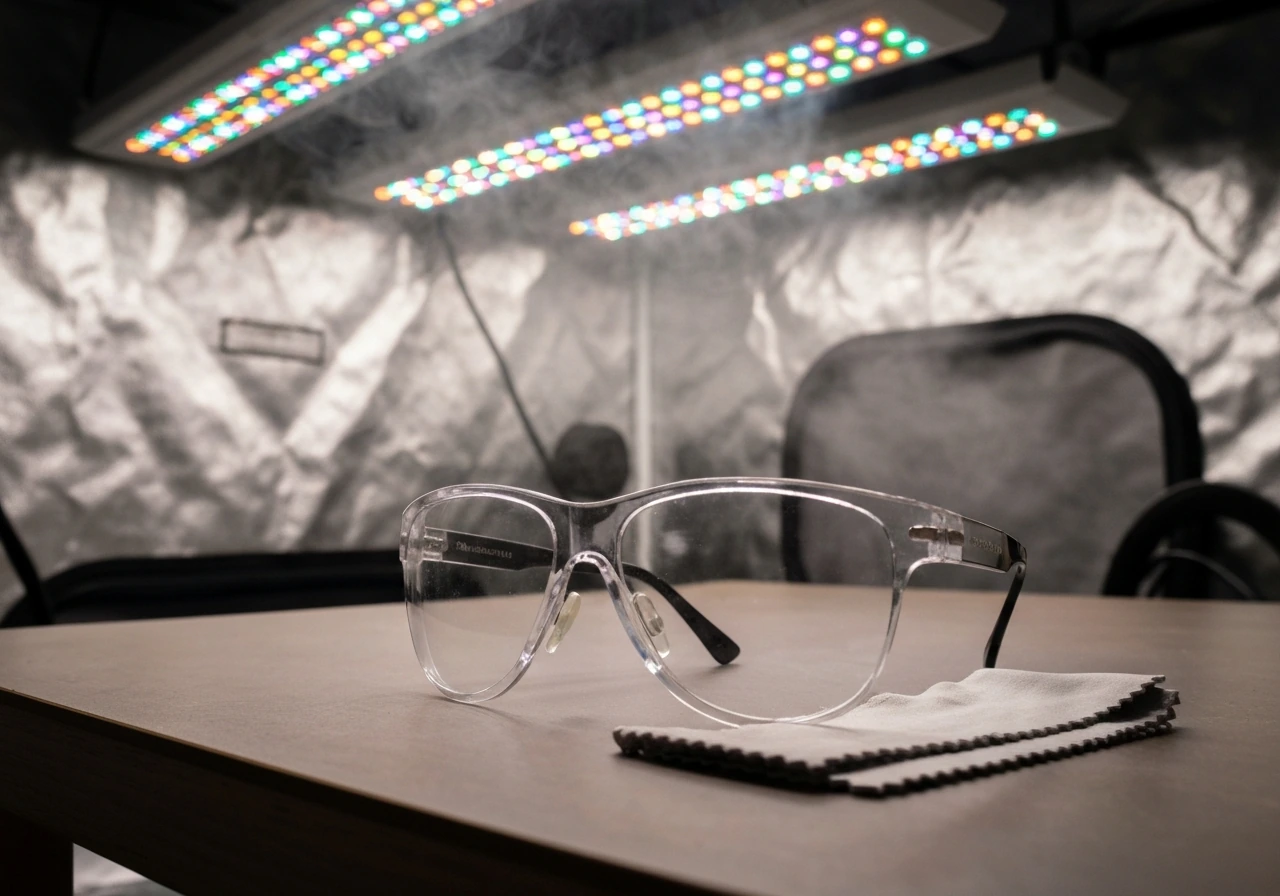
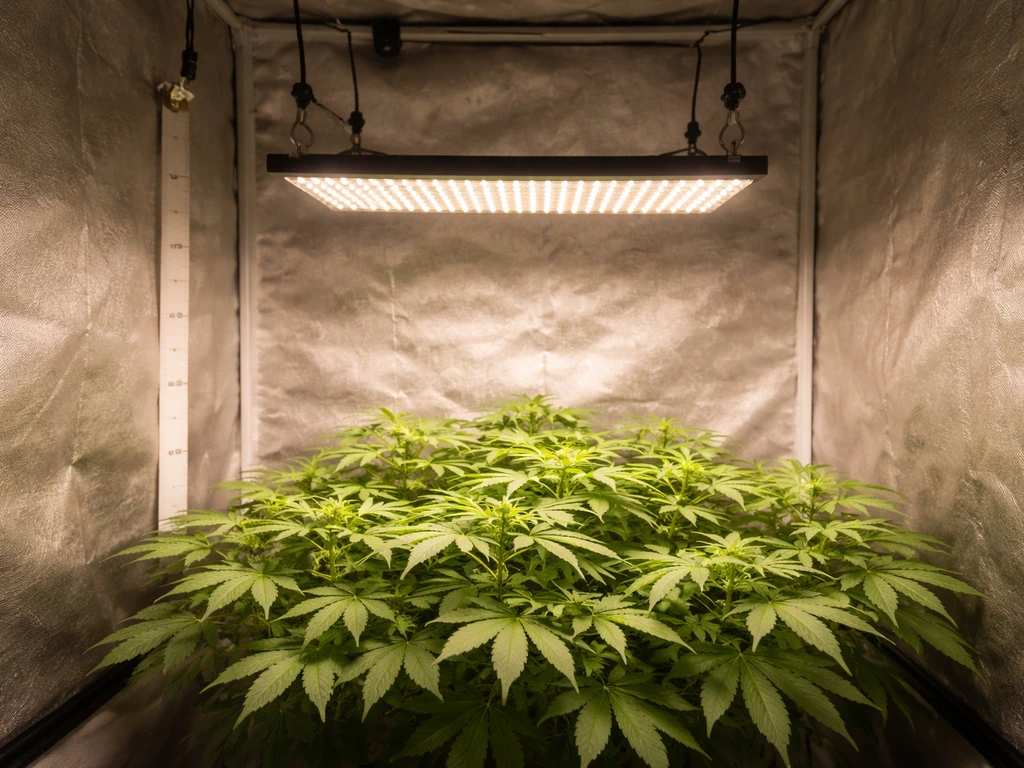
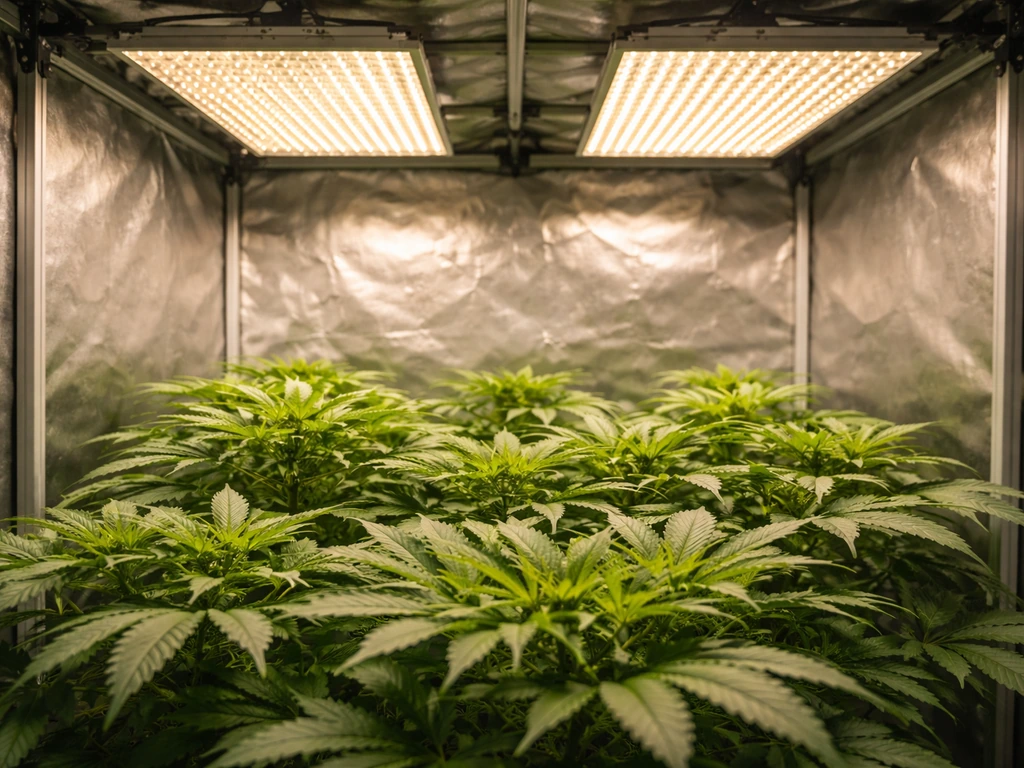
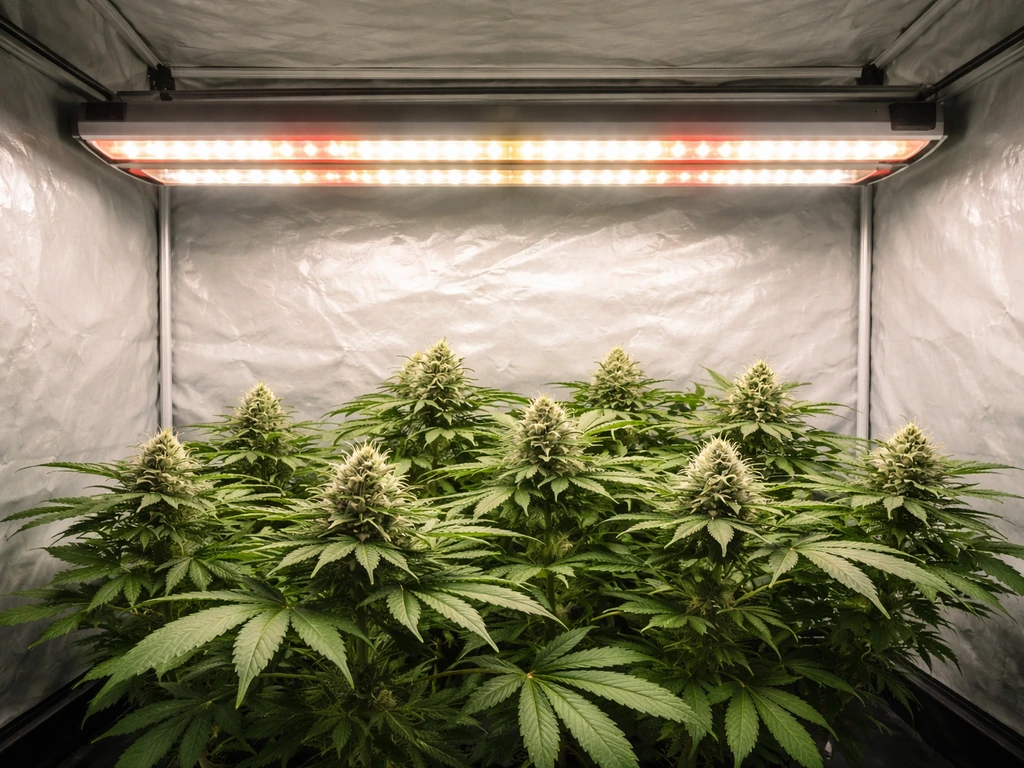
Here's who genuinely needs grow light glasses: growers spending 30 minutes or more at a time in their grow space, anyone working at canopy level (closer than about 18 inches to the fixture), people running high-intensity setups over 400 true watts, and growers with light-sensitive eyes or a history of migraines triggered by bright light. Commercial growers and employees working under lights daily are also in a different category from hobbyists, since OSHA's eye protection standard (1910.133) requires employers to provide appropriate eye protection when workers face exposure to potentially injurious light radiation, with ANSI/ISEA Z87.1 as the referenced standard for protective devices.
Who probably doesn't need them: someone poking their head into a 2x4 tent for two minutes to check on seedlings, or anyone running a low-wattage fixture (under 150 watts) in a well-ventilated space. Short exposures at low intensity simply don't represent a meaningful hazard for most people. But even in those cases, glasses improve comfort enough that they're worth the $20 to $50 most decent pairs cost.
How full-spectrum LED grow lights affect your eyes (glare vs real risk)
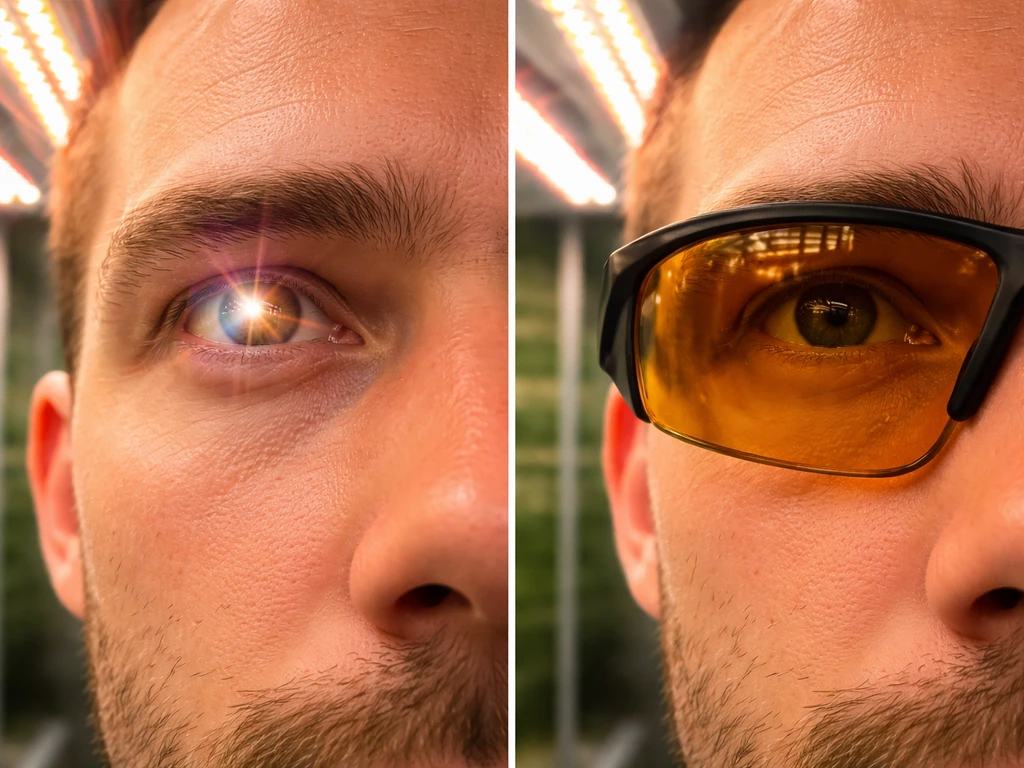
Full-spectrum LED grow lights, the kind covering roughly 380 to 840 nm depending on the product, put out a mix of wavelengths that your eyes respond to very differently. Modern fixtures often include discrete channels: UV around 395 nm, multiple blue peaks around 430 to 470 nm, red, far-red near 730 nm, and sometimes IR. When you're standing under one of these, the purple-white wash of light is genuinely uncomfortable at high intensities, not because it's uniquely dangerous, but because the spectral mix is unlike anything your visual system evolved to handle.
The term 'blue light hazard' gets thrown around constantly in grow light eyewear marketing, and it's worth being precise about what it actually means. [IEC 62471, the photobiological safety standard used to classify lighting products, uses risk groups (RG0 through RG3)](https://www. icnirp. org/cms/upload/publications/ICNIRPled2020.
pdf) based on measured radiance and spectral power distribution under defined conditions. For the vast majority of LED grow lights used at normal working distances (24 inches or more from the fixture), the photochemical retinal risk is low during incidental exposure.
The CIE's position statement on blue light hazard is direct about this: the real photochemical risk is tied to unusual behavior, specifically staring directly at an extremely bright source, the way you might unintentionally stare at a welding arc or the sun. The discomfort glare from a bright LED fixture would normally cause you to look away before any photochemical damage occurs.
What the science doesn't support is the idea that blue-light-filtering glasses preserve your macular health or significantly affect sleep cycles during normal grow tent work. Multiple systematic reviews and optometrist guidance, including commentary from Mayo Clinic, have found that evidence for blue-light filtering glasses protecting retinal health is not strong. So when a pair of $80 grow glasses says they'll save your eyes from 'harmful blue light,' take that with a grain of salt. What those glasses actually do well, and why they're worth buying, is reduce glare and visual fatigue so you can work comfortably and see what's actually going on with your plants.
What to look for in the best grow light glasses (lens specs, coatings, comfort)
Skip the marketing language and look for specs and certifications. Here's what actually matters on the lens and frame, and how to read what you're buying.
Lens markings and standards
ANSI/ISEA Z87.1 is the benchmark for safety eyewear sold in the US. Look for this marking on the lens or frame. The Z87.1 standard uses a U-scale for UV filtering (U1 through U6, where U6 is the highest UV blocking level) and an L-scale for visible light reduction (glare management). If a pair of glasses doesn't carry Z87.1 marking, you're buying fashion frames with colored lenses, not protective eyewear. UV400, which is a marketing term indicating that a lens blocks UV up to 400 nm, can overlap with Z87.1 UV requirements but isn't a substitute. Rely on the Z87.1 marking, not the marketing copy.
Lens color and what it does
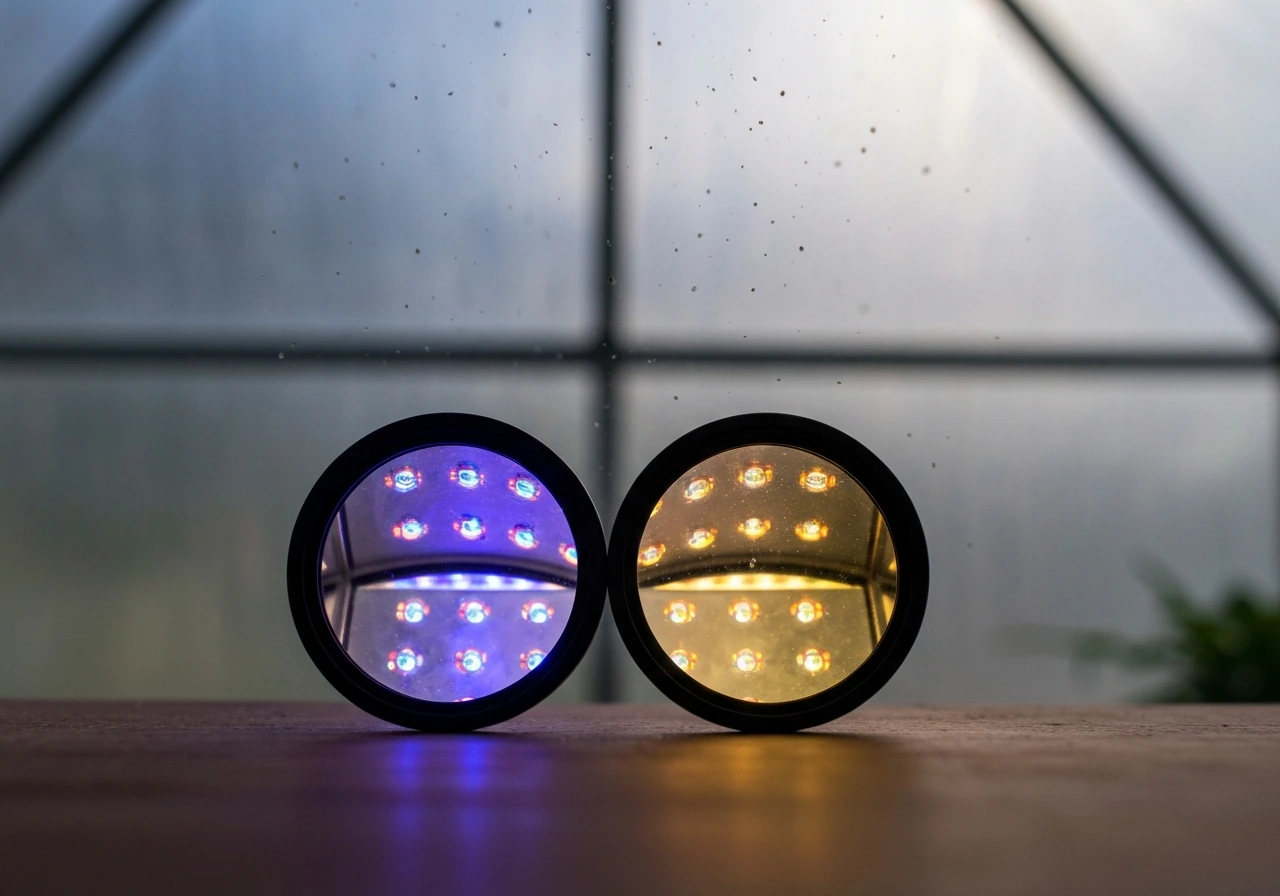
For full-spectrum LED grow lights, yellow or amber lenses are the most practical choice. They filter the blue and violet portion of the spectrum, which is the uncomfortable part of the LED output, while letting through enough visible light that you can actually evaluate plant health, spot pests, and see true color. Green-blocking yellow lenses also boost contrast on leaves under blurple or purple-heavy LED output.
Orange lenses go further, filtering more of the HEV range, and are worth considering if you're running very high-intensity fixtures or spending more than an hour at a time in your space. Clear lenses with UV coating alone won't help much with glare from a bright full-spectrum LED since most of the discomfort comes from visible wavelengths, not UV.
Coatings and construction
Anti-scratch coating matters because grow tents are dusty, and you'll be wiping your lenses constantly. Anti-fog is useful in high-humidity environments (anyone running 60 to 70% RH during flower knows how quickly lenses fog up). Wrap-around frames with side protection are worth the slight bulk because stray light from the edges of a fixture kills the point of wearing tinted lenses in the first place. Polycarbonate lenses are the standard for impact resistance and are required for Z87.1 impact-rated models.
Comfort for longer sessions
Weight and fit matter more than most growers expect. If you're doing a full defoliation session or setting up your grow light at the right height for each stage, you might have glasses on for 45 minutes to an hour. Look for rubber nose pads, adjustable temple arms, and frames that sit flush without pressing on your temples. Over-glasses models (designed to fit over prescription eyewear) are available if you wear corrective lenses.
Choosing glasses for your grow setup (tent size, distance, light intensity, sessions)
The right pair of glasses scales with your actual setup. A hobbyist running a 200-watt bar light in a 2x4 tent has different needs from someone managing a 1000-watt commercial array. Here's how to match glasses to your scenario.
| Grow Setup | Fixture Wattage | Typical Working Distance | Recommended Lens | Priority Features |
|---|
| 2x2 or 2x4 home tent | Under 200W | 24–36 inches | Yellow tint, UV400/Z87.1 | Lightweight, anti-scratch |
| 4x4 home tent | 200–600W | 18–30 inches | Yellow or amber, Z87.1 rated | Wrap-around, anti-fog |
| 5x5 or 4x8 home setup | 400–800W | 18–24 inches | Amber or orange, Z87.1 rated | Full wrap, anti-fog, anti-scratch |
| Commercial or multi-light array | 800W+ | Variable, often close | Orange or deep amber, Z87.1 impact-rated | ANSI impact rating, side shields, comfort fit for long sessions |
Distance is the single biggest variable. The same fixture that poses minimal discomfort at 36 inches becomes genuinely harsh at 12 inches when you're hands-deep in the canopy. If you're working at canopy level regularly, lean toward a darker lens (amber or orange) even if your wattage is modest. Also consider how often the red-to-blue ratio in your LED grow light changes across growth stages, since lights that increase their blue channel output during veg (often the highest-intensity visible wavelength) can shift discomfort levels noticeably.
Session length matters too. If you're in and out in under 10 minutes, almost any decent pair will do. If you're doing regular hour-long training sessions or integrated pest management sweeps, comfort and a good anti-fog coating will improve your workflow significantly. Grow tents during late flower are hot and humid, and fogged lenses aren't just annoying, they defeat the purpose of wearing the glasses.
Top picks and categories worth buying for full-spectrum LED growers
Rather than pushing specific brands (the market changes fast and pricing shifts constantly), here are the categories that deliver real value. Shop within these categories and you'll land on something that works.
Budget tier ($15 to $35): basic tinted safety glasses
Look for Z87.1-rated yellow-tinted polycarbonate glasses from established safety eyewear brands like uvex, DeWalt, or 3M. These aren't purpose-marketed as grow glasses, but they meet the actual protection specs and often include anti-scratch coatings. uvex's UV400 lineup, for example, explicitly claims reduction of HEV content and includes anti-fog and scratch-resistant coatings. These are a completely legitimate choice for hobbyists running mid-range setups in 2x4 to 4x4 tents. Avoid unbranded Amazon listings with no Z87.1 marking, no matter how good the marketing photos look.
Mid-tier ($35 to $75): purpose-built grow light glasses
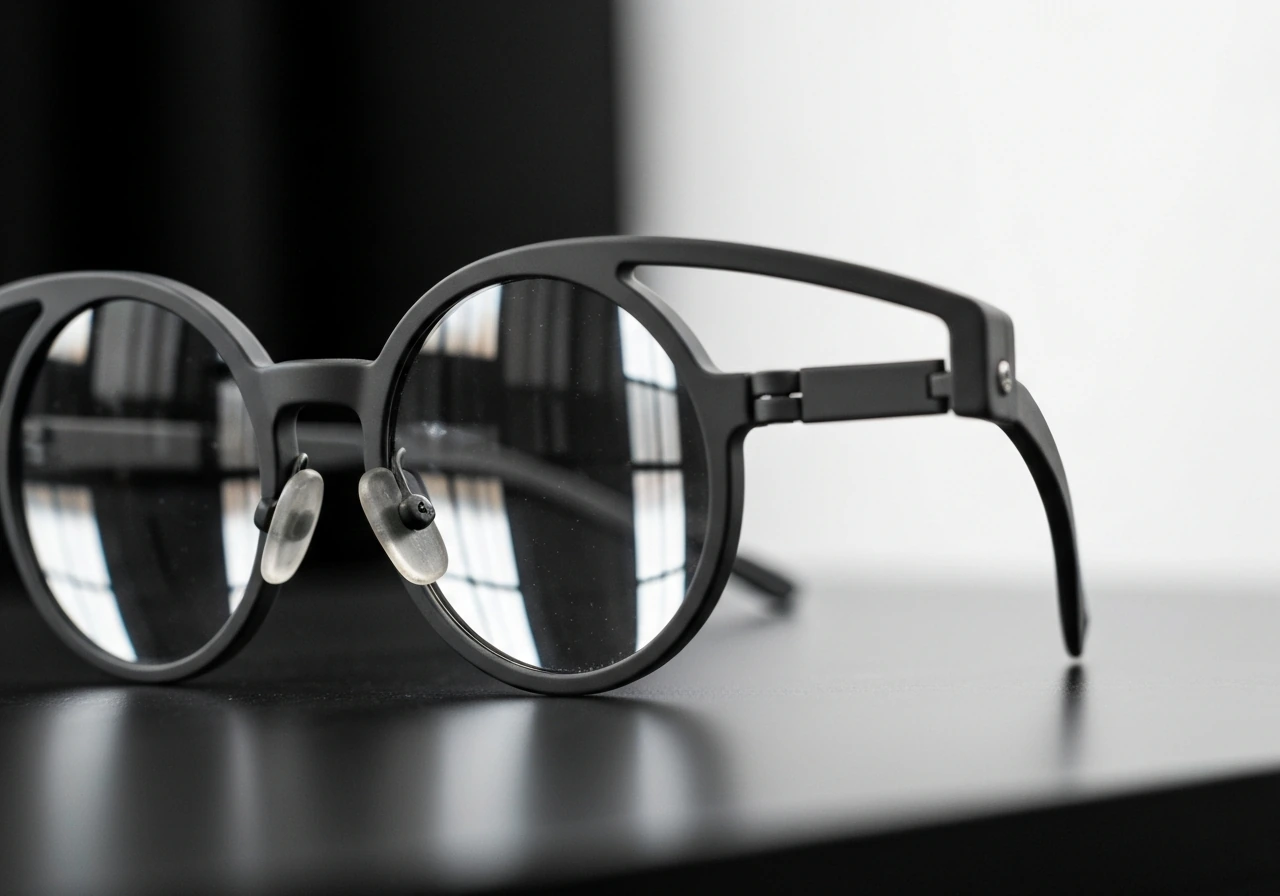
Brands like Method Seven, Photon Fanatic, and a handful of others sell glasses specifically designed around the spectral output of LED grow lights. The better ones include amber or orange lenses tuned to filter the blue and violet peaks common in full-spectrum LEDs (those 395 nm and 430 to 470 nm channels) while preserving enough green and red throughput that you can accurately assess plant health.
This is genuinely useful because a purely blue-blocking lens will make everything look orange and mask symptoms that show up in the green and yellow part of the spectrum. Mid-tier purpose-built glasses also tend to have better wrap-around coverage and more comfortable frames for longer sessions. This tier is the sweet spot for serious hobbyists and anyone running 400 watts or more.
Premium tier ($75 to $150+): optical-quality lenses with full spectrum tuning
At this price point you're paying for optical-grade lens clarity, precise spectral tuning matched to specific LED spectra, and build quality that holds up over years of daily use. Method Seven's operator-style glasses or comparable products from premium safety eyewear makers justify their cost if you're in your grow space daily, running high-intensity fixtures, or managing a commercial operation. Whether they're worth it for a home grower doing two sessions a week is debatable. The honest answer is that a well-chosen mid-tier pair protects your eyes just as effectively.
What to avoid
- Unbranded tinted glasses with no Z87.1 marking or photobiological safety reference, regardless of price
- Glasses marketed purely on 'blue light blocking' claims with no visible-light or UV standard backing
- Fashion sunglasses or 'computer glasses' with light tints: these don't provide enough filtering for grow light intensity
- Any pair that doesn't offer wrap-around coverage if you're working in a reflective tent environment
How to use and verify your glasses (fit, testing at your grow, common mistakes)
Buying the right pair is only half of it. Here's how to confirm they're actually doing the job in your specific setup.
First-session fit check
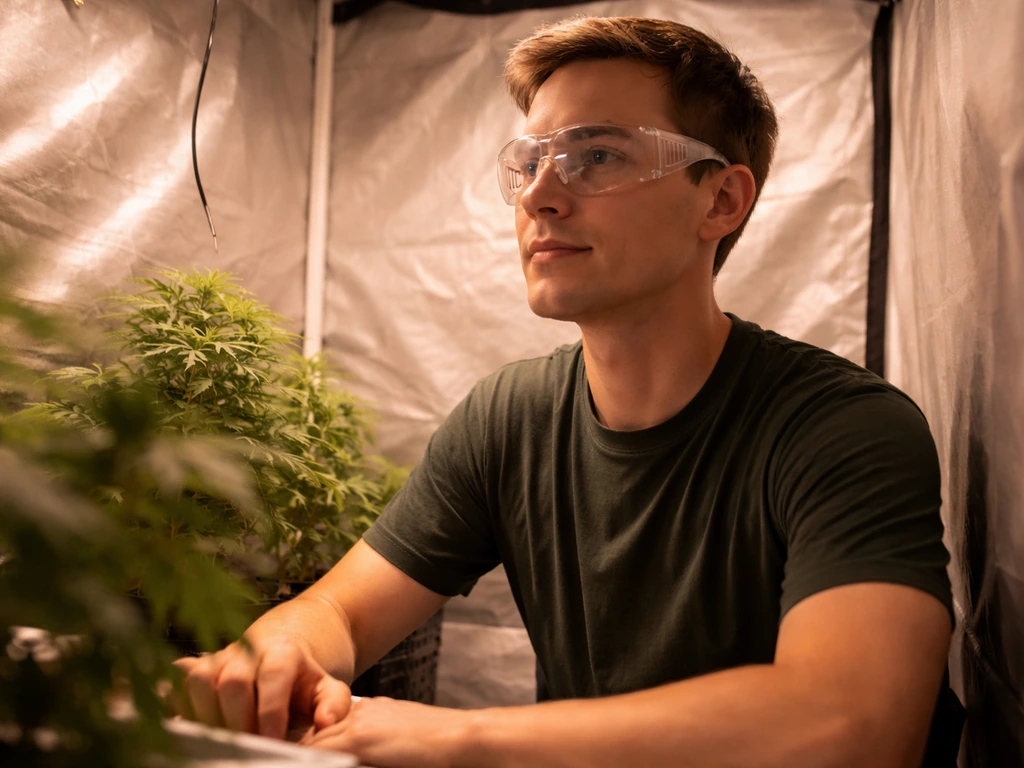
Put the glasses on and spend two minutes inside your tent at your normal working intensity. If you still feel significant eye strain or squinting after 60 seconds, the lens isn't dark enough for your setup. A correct-spec lens should allow you to comfortably assess your canopy without squinting, while making plant colors look slightly warmer but still distinct. If everything looks so orange that you can't tell yellowing leaves from healthy green ones, your lens is too dark or too heavily orange-tinted for plant assessment work.
Verifying actual protection
Check the lens and frame for the Z87.1 marking before you ever put the glasses on under your lights. It's stamped directly on the lens (usually in the corner) and on the temple arm. If it's not there, return the glasses. Also check the product listing or packaging for UV-scale marking (U3 or higher is reasonable for grow lights that include a UV channel; U6 if you're running a light with a dedicated UV emitter in the 365 to 395 nm range). Understanding what LEDs are actually in your grow light will tell you whether UV protection is a priority for your specific fixture.
Common mistakes growers make
- Wearing the glasses only when the light feels uncomfortable, by which point your eyes have already been adapting (and straining) for several minutes. Put them on before you enter the tent.
- Forgetting that reflected light in a Mylar-lined tent can be as intense as direct fixture light from certain angles, especially in a small 2x2 or 2x4 space. Wrap-around coverage matters more in reflective environments.
- Using the same pair for both grow tent work and normal indoor tasks, which leads to not having them available when you actually need them. Keep a dedicated pair inside or right outside the tent.
- Assuming all 'grow glasses' are equivalent. A $12 unbranded pair of purple-tinted novelty glasses is not the same as a Z87.1-rated yellow or amber lens from a verified safety brand.
- Not replacing scratched lenses. Deep scratches scatter light internally and actually increase glare rather than reducing it.
Dialing in your whole grow routine
Eye protection is one piece of a broader picture of working safely and effectively in your grow space. If you're also dialing in other variables, knowing the best nutrients for LED grow environments and thinking about which strains perform best under LED grow lights will help you build a setup that works efficiently across the whole grow cycle, not just the lighting side.
The direct recommendation
For most home growers running a full-spectrum LED in a 4x4 or smaller: buy a Z87. 1-rated amber or yellow-tinted polycarbonate wrap-around from a reputable safety eyewear brand in the $25 to $50 range. If you're running a high-intensity setup over 600 watts or spending serious time in the canopy, step up to a purpose-built grow glass in the $50 to $80 range with a lens specifically tuned to LED spectra.
Don't overpay for blue-light-health marketing, the evidence for that claim is weak. Do pay attention to Z87. 1 certification, lens color (yellow or amber for LED), wrap-around coverage, and anti-fog coating if your grow runs humid. Those specs will serve you in any tent size, at any mounting distance, whether you're running a 200-watt bar light or a multi-fixture commercial array.